

What Am I Supposed to Do with All These Coins?
Tuesday, May 6, 2025
What Am I Supposed to Do with All These Coins?
Take by

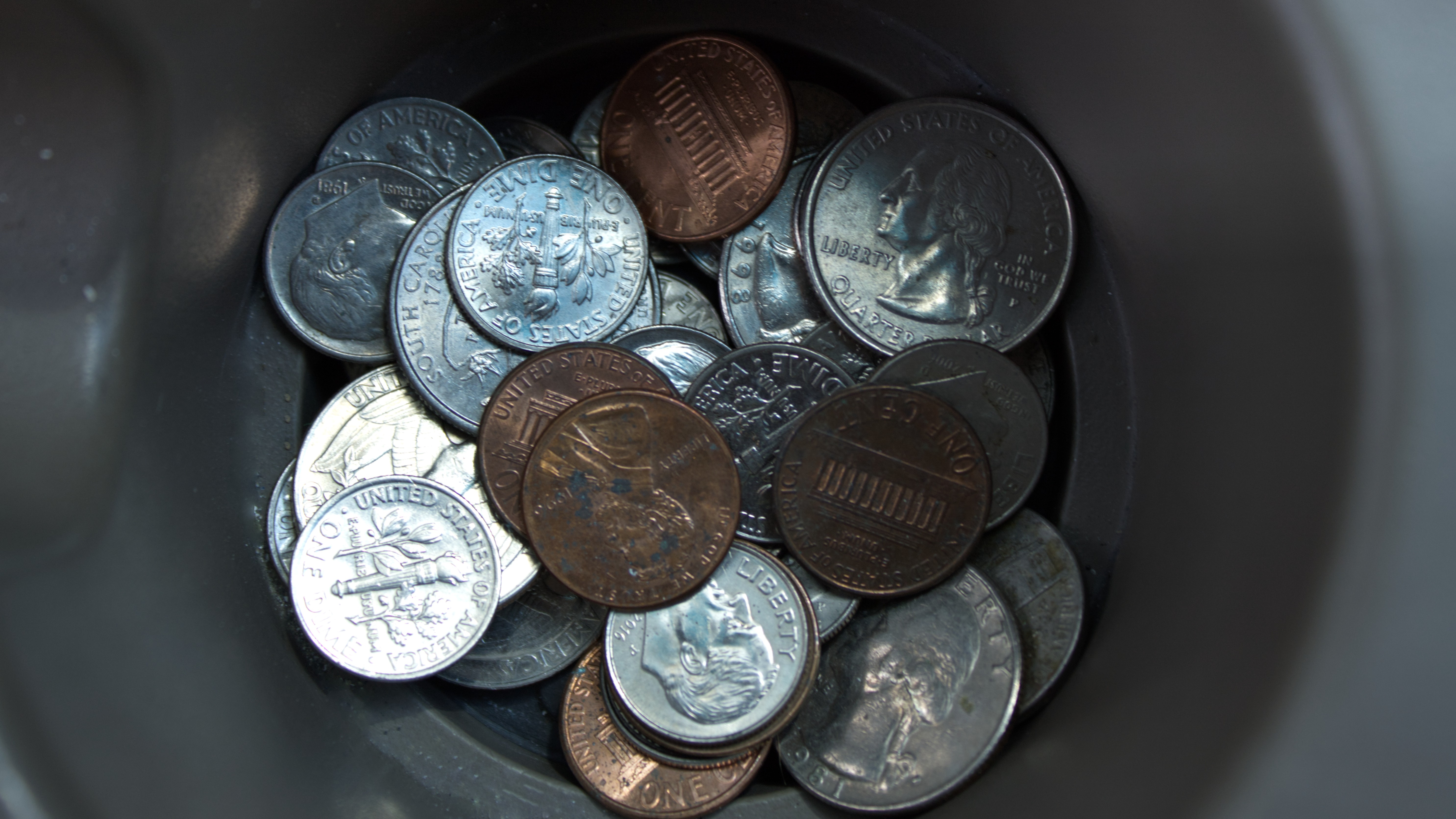
For years, the cup holder in my car quietly collected coins. Not by design — I’ve never been great at saving money — but by default. Spare change from coffee runs, takeout counters, the occasional laundromat. The quarters slid in over time, mixed with old receipts and a pen that didn’t work. It wasn’t a financial strategy so much as gravitational inevitability.
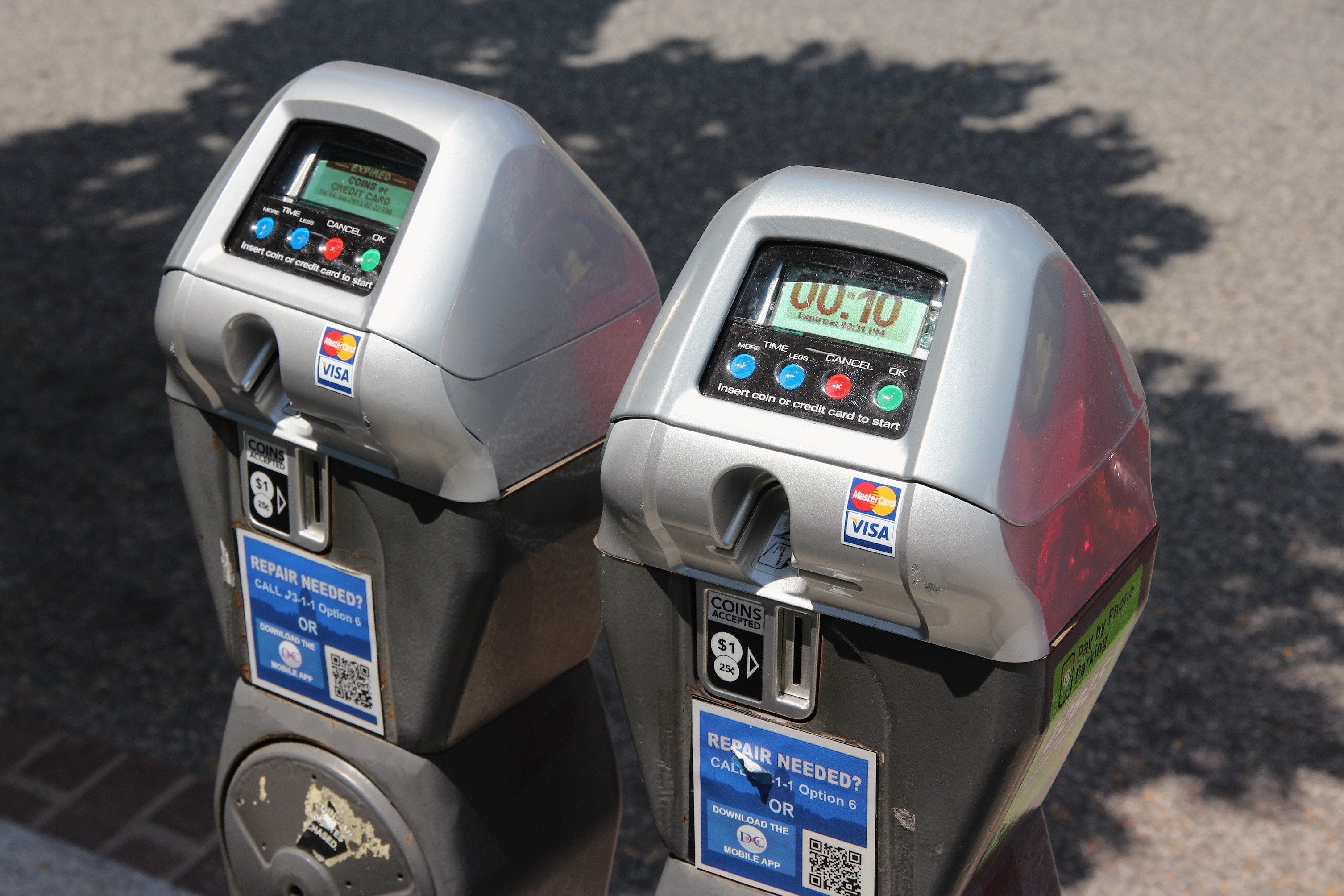
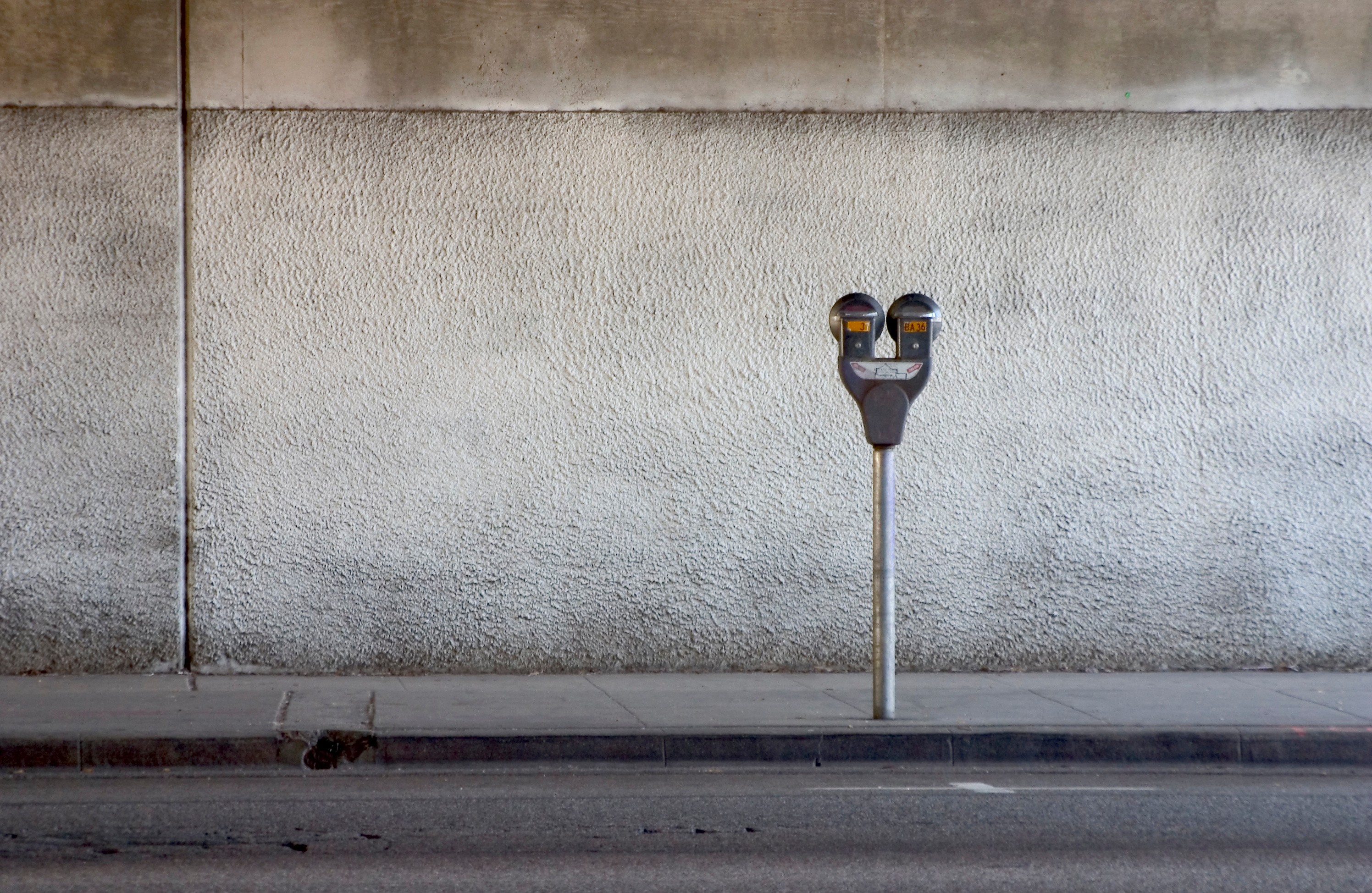
Still, in a city like Denver, it came in handy. Parking meters — those squat gray sentinels lining the curbs of LoDo, Capitol Hill, Five Points — actually accepted them. And there was a small, strange satisfaction in feeding a meter with coins you never meant to save. It felt like getting something for free. Like turning clutter into time.
That experience is gone now.
Like most cities, Denver has moved almost entirely to app-based parking. You still see the meters, but they’re relics — retrofitted to display instructions for downloading the app. You park, open your phone, create an account, input your license plate, guess your time, accept the terms, and finally start the clock. The whole process, with the intent being convenience, somehow manages to feel like a software demo you never signed up for.
I get the pitch. Smart parking apps let you extend time remotely. They cut down on street enforcement chaos. They help cities collect data. But let’s be honest: most of us didn’t ask for this. Most of us just wanted to pay for a couple hours and move on. No email confirmation necessary.
The coins — accidental savings, unearned but useful — now have nowhere to go. The cup holder stash, once a small urban hack, is just dead weight. Even Coinstar takes a cut.
There’s something quietly disorienting about it. Not just the shift in payment method, but the broader pattern it belongs to. Everyday tasks — parking, tipping, ordering food — are increasingly brokered by third-party systems that flatten the experience into an interface. What used to be physical is now procedural. What used to be simple is now steps and passwords.
And I’m not saying it’s a disaster. Just that something small was lost. Parking meters were one of the last places where loose change had real value. And for people like me — people who aren’t great at budgeting but somehow ended up with a pile of quarters — it was a rare moment when unintentional thrift paid off.
Now it’s just clutter.
So no, I’m not outraged. But I am wondering: what am I supposed to do with all these coins?
previous article
next article
More articles
The Untapped Leasing Advantage
Why Multifamily Needs to Embrace the Micro-Influencer and Sphere Marketing Model
Friday, August 15, 2025
Written by
Davis
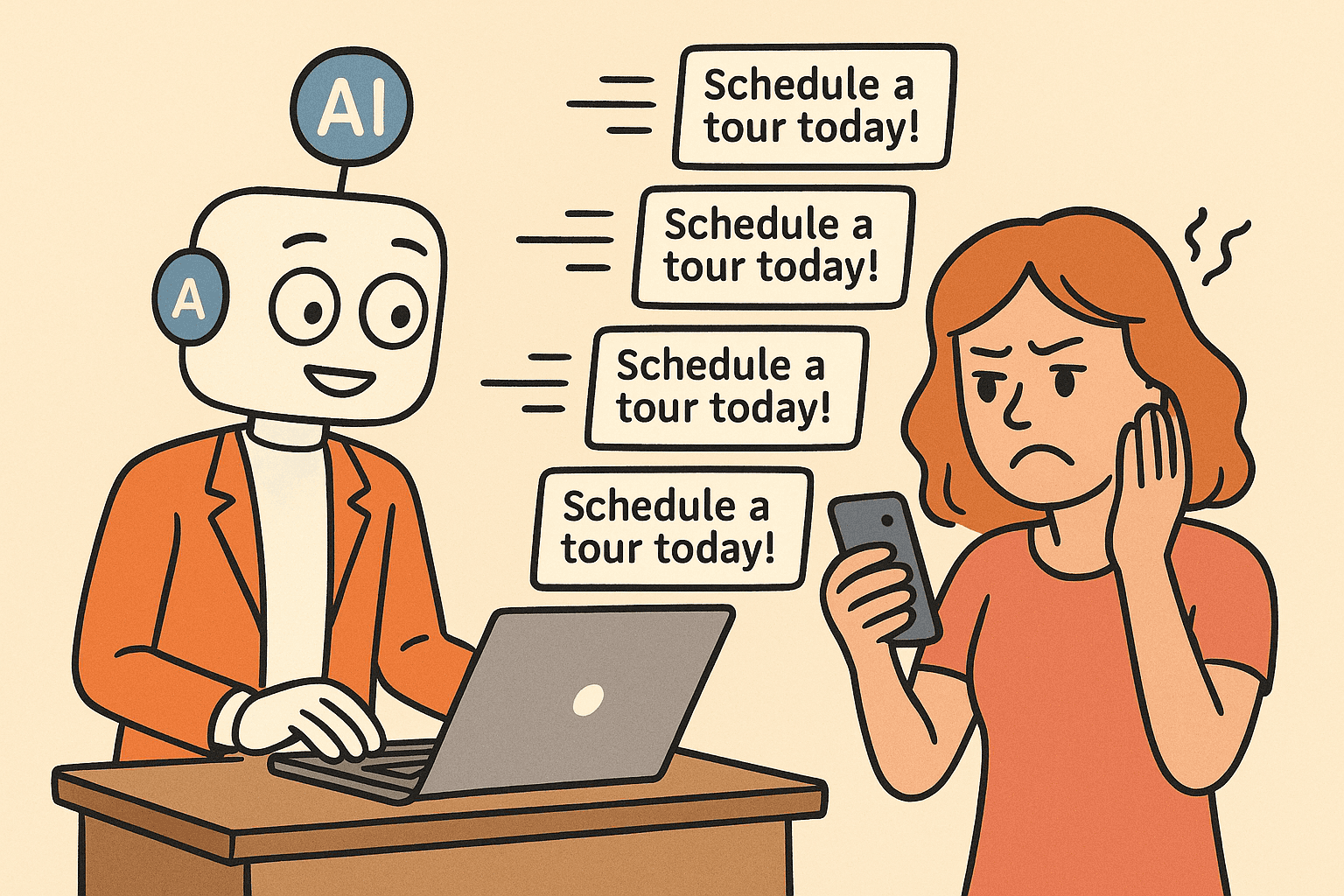
Leasing Models Are Evolving—But Let's Not Lose What Works
Cultivating communities of trust that drive actual referrals.
Wednesday, July 23, 2025
Written by
Davis

Birria, Blanco, and a Barstool Worth Coming Back To
Sunday, May 18, 2025
Written by
Davis

I Started an Apartment Locating Company
Wednesday, April 23, 2025
Written by
Davis
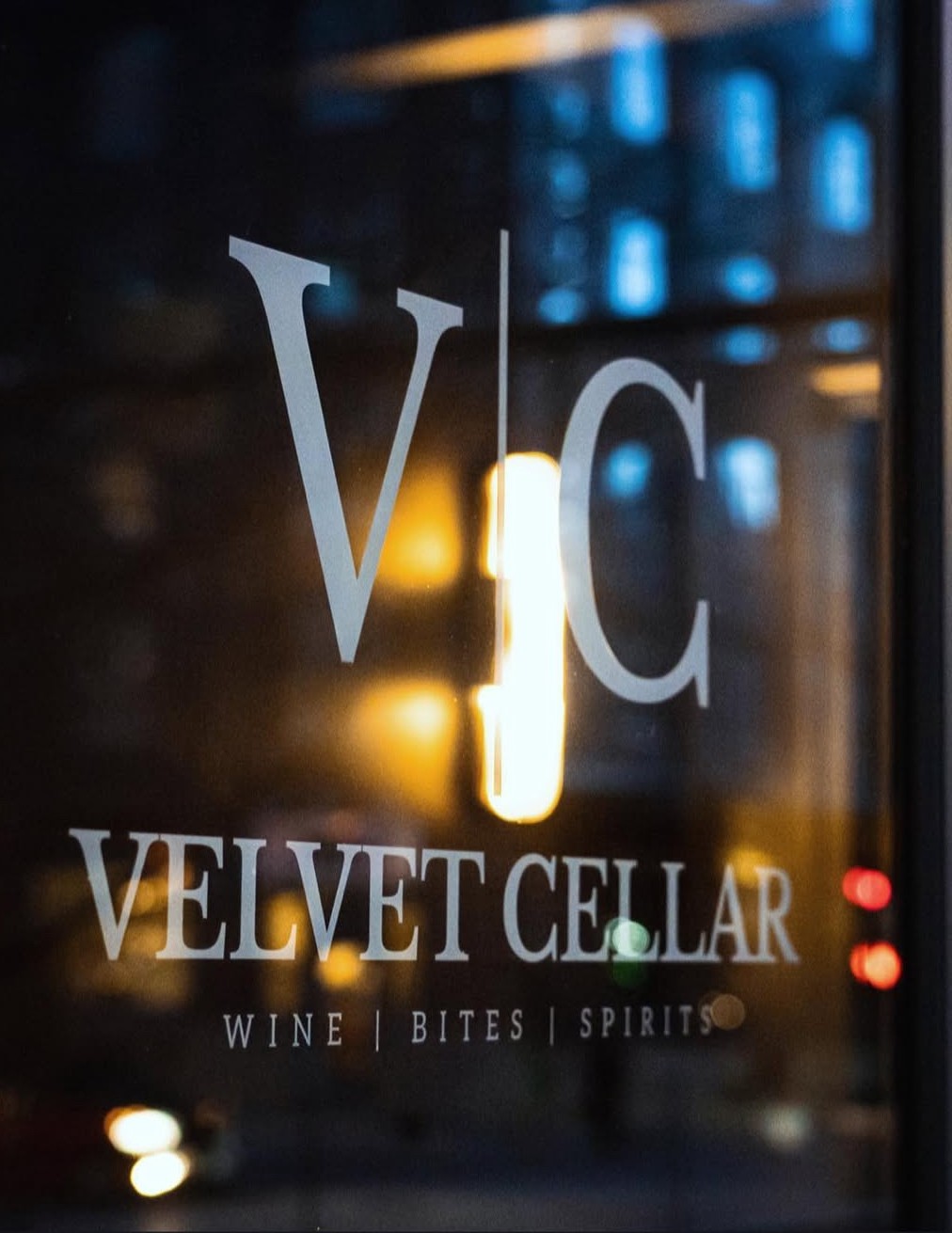
Best Old Fashion in Denver
Wednesday, February 26, 2025
Written by
Lydon Christopher
What Am I Supposed to Do with All These Coins?
Tuesday, May 6, 2025
What Am I Supposed to Do with All These Coins?
Take by
For years, the cup holder in my car quietly collected coins. Not by design — I’ve never been great at saving money — but by default. Spare change from coffee runs, takeout counters, the occasional laundromat. The quarters slid in over time, mixed with old receipts and a pen that didn’t work. It wasn’t a financial strategy so much as gravitational inevitability.
Still, in a city like Denver, it came in handy. Parking meters — those squat gray sentinels lining the curbs of LoDo, Capitol Hill, Five Points — actually accepted them. And there was a small, strange satisfaction in feeding a meter with coins you never meant to save. It felt like getting something for free. Like turning clutter into time.
That experience is gone now.
Like most cities, Denver has moved almost entirely to app-based parking. You still see the meters, but they’re relics — retrofitted to display instructions for downloading the app. You park, open your phone, create an account, input your license plate, guess your time, accept the terms, and finally start the clock. The whole process, with the intent being convenience, somehow manages to feel like a software demo you never signed up for.
I get the pitch. Smart parking apps let you extend time remotely. They cut down on street enforcement chaos. They help cities collect data. But let’s be honest: most of us didn’t ask for this. Most of us just wanted to pay for a couple hours and move on. No email confirmation necessary.
The coins — accidental savings, unearned but useful — now have nowhere to go. The cup holder stash, once a small urban hack, is just dead weight. Even Coinstar takes a cut.
There’s something quietly disorienting about it. Not just the shift in payment method, but the broader pattern it belongs to. Everyday tasks — parking, tipping, ordering food — are increasingly brokered by third-party systems that flatten the experience into an interface. What used to be physical is now procedural. What used to be simple is now steps and passwords.
And I’m not saying it’s a disaster. Just that something small was lost. Parking meters were one of the last places where loose change had real value. And for people like me — people who aren’t great at budgeting but somehow ended up with a pile of quarters — it was a rare moment when unintentional thrift paid off.
Now it’s just clutter.
So no, I’m not outraged. But I am wondering: what am I supposed to do with all these coins?
previous article
next article
More articles
The Untapped Leasing Advantage
Why Multifamily Needs to Embrace the Micro-Influencer and Sphere Marketing Model
Leasing Models Are Evolving—But Let's Not Lose What Works
Cultivating communities of trust that drive actual referrals.
Birria, Blanco, and a Barstool Worth Coming Back To
I Started an Apartment Locating Company
Best Old Fashion in Denver
What Am I Supposed to Do with All These Coins?
Tuesday, May 6, 2025
What Am I Supposed to Do with All These Coins?
Take by
For years, the cup holder in my car quietly collected coins. Not by design — I’ve never been great at saving money — but by default. Spare change from coffee runs, takeout counters, the occasional laundromat. The quarters slid in over time, mixed with old receipts and a pen that didn’t work. It wasn’t a financial strategy so much as gravitational inevitability.
Still, in a city like Denver, it came in handy. Parking meters — those squat gray sentinels lining the curbs of LoDo, Capitol Hill, Five Points — actually accepted them. And there was a small, strange satisfaction in feeding a meter with coins you never meant to save. It felt like getting something for free. Like turning clutter into time.
That experience is gone now.
Like most cities, Denver has moved almost entirely to app-based parking. You still see the meters, but they’re relics — retrofitted to display instructions for downloading the app. You park, open your phone, create an account, input your license plate, guess your time, accept the terms, and finally start the clock. The whole process, with the intent being convenience, somehow manages to feel like a software demo you never signed up for.
I get the pitch. Smart parking apps let you extend time remotely. They cut down on street enforcement chaos. They help cities collect data. But let’s be honest: most of us didn’t ask for this. Most of us just wanted to pay for a couple hours and move on. No email confirmation necessary.
The coins — accidental savings, unearned but useful — now have nowhere to go. The cup holder stash, once a small urban hack, is just dead weight. Even Coinstar takes a cut.
There’s something quietly disorienting about it. Not just the shift in payment method, but the broader pattern it belongs to. Everyday tasks — parking, tipping, ordering food — are increasingly brokered by third-party systems that flatten the experience into an interface. What used to be physical is now procedural. What used to be simple is now steps and passwords.
And I’m not saying it’s a disaster. Just that something small was lost. Parking meters were one of the last places where loose change had real value. And for people like me — people who aren’t great at budgeting but somehow ended up with a pile of quarters — it was a rare moment when unintentional thrift paid off.
Now it’s just clutter.
So no, I’m not outraged. But I am wondering: what am I supposed to do with all these coins?
More articles
The Untapped Leasing Advantage
Why Multifamily Needs to Embrace the Micro-Influencer and Sphere Marketing Model
Friday, August 15, 2025
Written by
Davis
Leasing Models Are Evolving—But Let's Not Lose What Works
Cultivating communities of trust that drive actual referrals.
Wednesday, July 23, 2025
Written by
Davis
Birria, Blanco, and a Barstool Worth Coming Back To
Sunday, May 18, 2025
Written by
Davis
I Started an Apartment Locating Company
Wednesday, April 23, 2025
Written by
Davis
Best Old Fashion in Denver
Wednesday, February 26, 2025
Written by
Lydon Christopher

Denver's boutique apartment locating service. Free for renters, powered by locals.
© 2025 Scout Lease. All rights reserved.
1450 Wynkoop St, Denver, CO
Denver's boutique apartment locating service. Free for renters, powered by locals.
© 2025 Scout Lease. All rights reserved.
1450 Wynkoop St, Denver, CO
Denver's boutique apartment locating service. Free for renters, powered by locals.
© 2025 Scout Lease. All rights reserved.
1450 Wynkoop St, Denver, CO